
-
 Viewing products available in Zip Code
08520
Viewing products available in Zip Code
08520
Viewing products available in Zip Code
08520
ThVinyl has become the leading material for replacement windows and patio doors in the U.S., and for good reason. It outperforms wood on maintenance, outperforms aluminum on thermal efficiency, and holds up in climates ranging from harsh northern winters to coastal humidity and heat. Simonton vinyl windows and patio doors are engineered to deliver long-term energy performance, value, durability, and design flexibility for both replacement and new construction projects.
Simonton premium vinyl is engineered for long-lasting performance in a wide range of weather conditions. The vinyl compound is engineered for dimensional stability — meaning frames and sashes maintain their shape through years of freeze-thaw cycling and temperature extremes, without warping, swelling, or distorting. Because color is integrated throughout the vinyl rather than applied as a surface coating, the frames stay consistent and never require painting or staining, even in deep exterior colors.
Simonton vinyl windows are available across a wide range of operating styles, geometric shapes, and custom sizes, making them suitable for both standard replacement openings and new construction projects with specific design requirements.
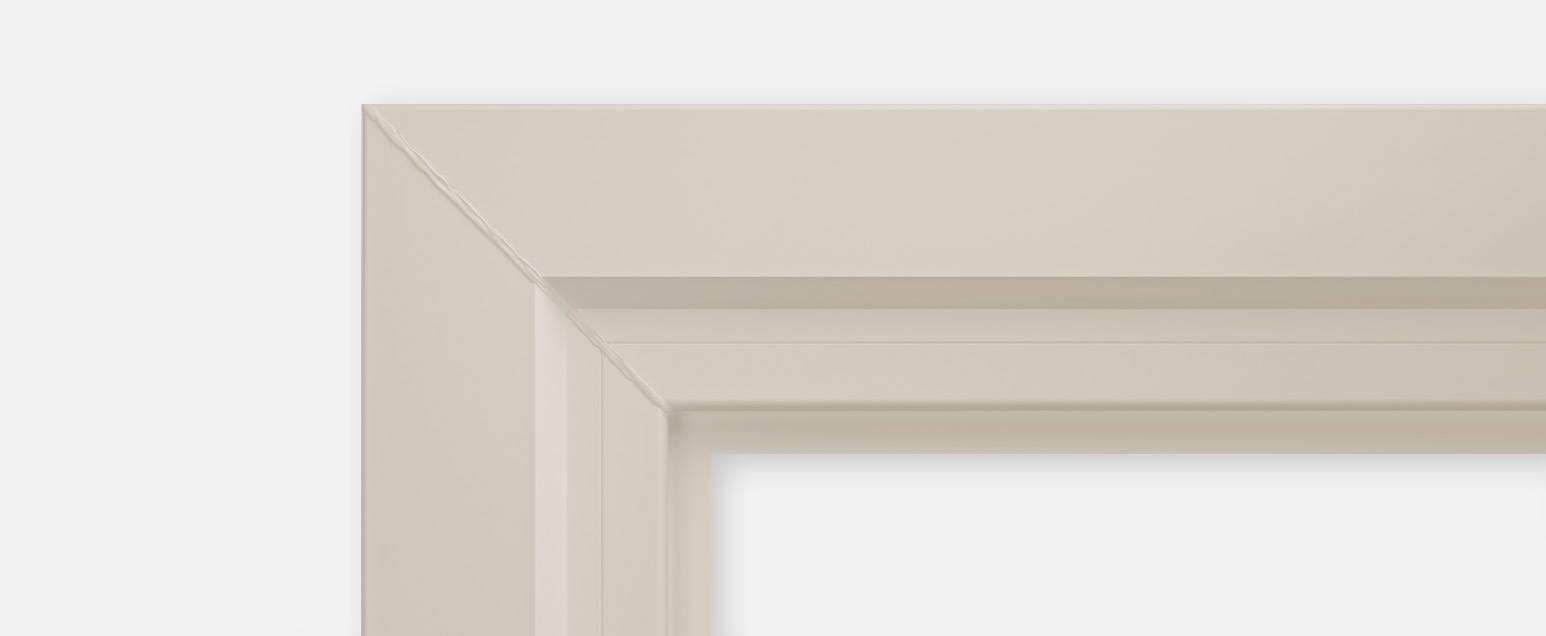
Vinyl's low thermal conductivity makes it one of the most naturally insulating frame materials available, a property that translates directly into lower U-factors and better real-world comfort than aluminum or wood. When combined with multi-pane glass, Low-E coatings, argon gas fills, and warm-edge spacers, Simonton vinyl windows deliver thermal performance that meets or exceeds Energy Star requirements across all U.S. climate zones, including the most demanding Northern zone. Key performance metrics to look for when comparing vinyl windows include U-factor (heat loss), Solar Heat Gain Coefficient (SHGC), Visible Transmittance (VT), and air leakage ratings. Simonton windows are tested and rated on all four. For homeowners in cold climates, the 5500 Collection and DaylightMax Collection are worth evaluating for their thermal performance ratings.
Unlike wood, vinyl windows never need to be painted, stained, or refinished. Unlike aluminum, they won't pit or corrode over time. Vinyl frames and sashes hold their appearance for decades with nothing more than occasional cleaning with soap and water. The integrated color runs throughout the material, so there's no surface finish to chip or fade in the way that painted or clad frames eventually do. For homeowners with darker exterior color preferences, Simonton vinyl is formulated to handle UV exposure without warping or significant fading, a common concern with dark-colored frames in high-sun environments.
Vinyl windows are among the most cost-effective replacement window options available, but cost efficiency alone doesn't explain their dominance in the market. Vinyl outperforms wood on moisture resistance and rot, outperforms aluminum on thermal cycling, and requires none of the refinishing that extends the true cost of wood over time. When installed and maintained properly, quality vinyl windows routinely last 20–40 years. Simonton backs this longevity with a Double Lifetime limited warranty, one of the strongest in the industry, which covers the glass unit, frame, and hardware. The warranty is also transferable to subsequent homeowners, which adds documented value at resale.
Window replacement consistently ranks among the highest-ROI exterior renovation projects for homeowners. According to the Remodeling Magazine Cost vs. Value Report, vinyl window replacement delivers strong cost recoupment. The return is tangible to buyers at the point of sale, who notice operational quality, glass clarity, and energy performance immediately. For homeowners planning to sell, a Simonton Double Lifetime warranty that transfers to the next owner also functions as a documented asset, reducing buyer objection around future replacement costs.
Connecting the inside to the outside, windows have the important job of helping to keep your home well-ventilated, comfortable and safe. Windows can last anywhere from 20 to 40 years, depending upon the type of window, where it’s located and the amount of maintenance provided. Wear and tear from exposure to the elements also affects their condition over time, decreasing energy efficiency and comfort by creating drafts and leaks.
Investing in window replacement may not be at the top of your list. Windows aren’t exactly…well…sexy. At least to most people. (They are to us!) We know new counter tops, floors and tile create the ohhh’s and ahhh’s from your friends and family. But you don’t want to put off buying new windows because window replacement definitely has its benefits.
There are many factors that make energy efficient windows. And let’s face it, windows are not a small purchase. We want you to be prepared when you buy new windows, so we’ve done the hard work for you. This way you'll be better educated on your new window purchase. Here's what you need to know before you start shopping for energy efficient windows.
Browse our Get Started section for additional information on planning your window and door project.
